


The garage door is often the largest moving appliance in a home, yet it is frequently one of the most overlooked until a major issue arises. While homeowners often focus on HVAC or plumbing maintenance, the motorized opener that lifts a heavy door multiple times a day is expected to work flawlessly year after year. However, like any mechanical device, garage door openers have a finite lifespan and require attention to ensure safe operation.
Understanding when to repair versus when to replace your unit can save you money and, more importantly, prevent dangerous malfunctions. From the age of your motor to specific safety features mandated by federal law, knowing the signs of a failing opener is essential for every homeowner.
What Is the Typical Lifespan of a Garage Door Opener?
Most manufacturers and industry experts suggest that a standard garage door opener will last between 10 to 15 years. While some older, heavy-duty models may continue running for 20 or even 30 years, their longevity often comes at the cost of modern safety features. Newer machines are designed as sophisticated appliances with internal regulations, whereas older units were often built with raw mechanical power that could be manually adjusted—sometimes to dangerous levels.
Several factors influence exactly how long your opener will last:
- Frequency of Use: A retired couple opening the door twice a week puts significantly less wear on the motor than a family of five using it 15 times a day.
- Quality of the Unit: “Builder grade” openers typically have shorter lifespans compared to professional-grade models from brands like LiftMaster or Genie.
- Maintenance: Regular lubrication and professional inspections can extend the life of the system.
The Critical 1993 Safety Standard: A Mandatory Replacement Sign
The most significant sign that you need to replace your opener immediately is the absence of safety sensors. In 1993, a federal mandate required all residential garage door openers manufactured after that date to include an external entrapment protection system, commonly known as “photo eyes” or safety sensors.
These sensors are small boxes mounted near the floor on either side of the garage door tracks, typically about six inches off the ground. They shoot an invisible beam across the opening; if a person, pet, or object breaks this beam while the door is closing, the system is designed to automatically reverse the door to prevent entrapment.
Safety Warning: If your garage door opener does not have these photo eyes, it is non-compliant with modern safety standards and poses a significant liability and safety risk. It should be replaced immediately, regardless of whether it still operates.
The Danger of “Cranking Up” the Force
Older units manufactured before this era often allowed homeowners or technicians to manually “crank up” the force settings. This meant if a door was struggling to close due to mechanical issues, the motor could be forced to push harder, potentially crushing anything in its path without stopping. Modern openers regulate force internally and will stop if they detect resistance, a feature that makes them much safer but sometimes less tolerant of broken springs or bad rollers.
How Do I Know If My Garage Door Opener Needs to be Replaced?
Aside from the age of the unit, there are clear mechanical and financial indicators that replacement is the better option.
1. The “Band-Aid” Effect
If you are facing a repair bill that costs 50% or more of the price of a new system, it is often more economical to replace the unit. For example, replacing a circuit board or motor on a 12-year-old machine is often just “band-aiding” a dying system. Investing that money into a new opener resets the clock on your warranty and reliability.
2. Excessive Noise and Vibration
While some drive types (like chain drives) are naturally noisier, a sudden increase in grinding, rattling, or straining sounds often indicates internal failure. This can suggest worn gears or a motor that is nearing the end of its life.
3. Safety Reversal Failure
Modern openers must reverse when they hit an obstruction. You can test this by placing a 1.5-inch object (like a 2×4 board laid flat) on the ground in the center of the door opening. When the door closes and hits the board, it should reverse immediately. If it does not, and force adjustments don’t fix it, the unit needs to be replaced.
Cost Expectations for Replacement
When planning for a replacement, costs can vary significantly based on the quality of the unit and the complexity of the installation. While basic retail units are cheaper, professional installation of high-quality openers typically ranges from $500 to $800 or more depending on features like battery backups, cameras, and smart connectivity.
Summary: When to Call a Professional
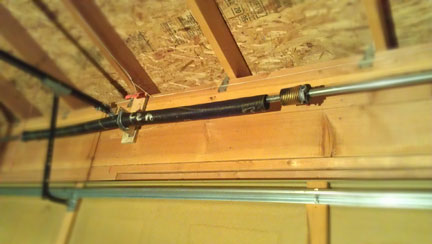
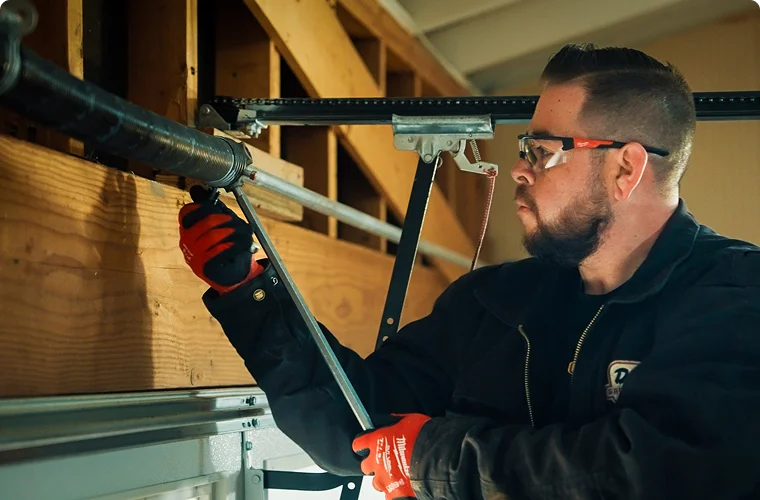
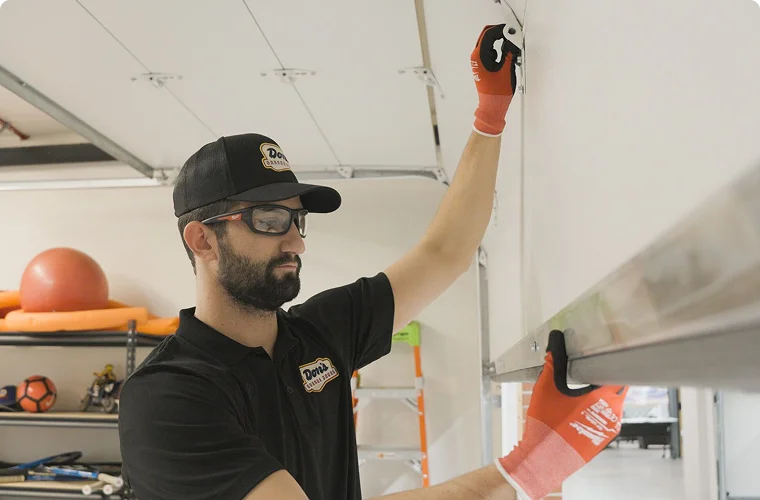
Regular maintenance is key to longevity. It is recommended to have a professional inspect your garage door system once a year. They can check the entire “ecosystem” of the door—including springs, which have their own limited lifespan of roughly 7 to 10 years or 10,000 cycles—to ensure your opener isn’t being overworked.
If your opener is over 15 years old, lacks safety sensors, or is making unusual noises, it is time to stop repairing it and start looking for a modern, safer replacement.