

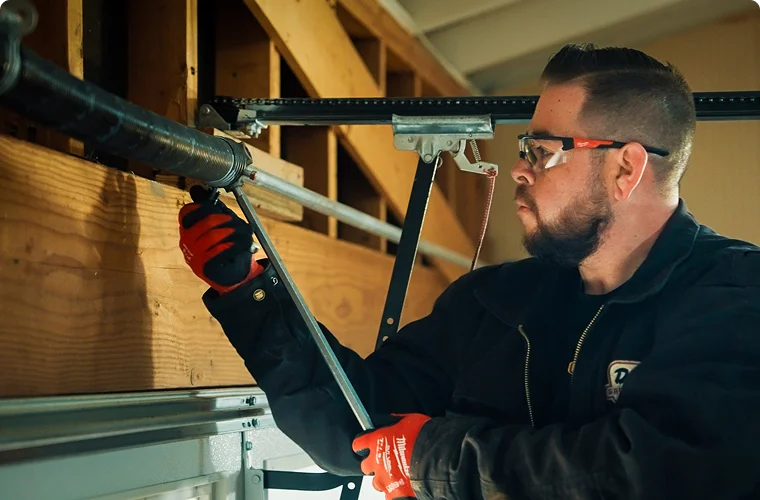
Knowing when to repair or replace a garage door depends on the system’s age, repair costs, safety, and overall condition. For most homeowners, the garage door is the largest moving appliance in the entire house, yet it is often the most overlooked. We press a button, it goes up, and we don’t think about it again—until it doesn’t work. When that day comes, the repair bill sometimes comes as a shock, leaving consumers wondering why garage door repair is so expensive. Understanding how these costs vary and knowing when to stop repairing an old system can save you thousands of dollars in the long run.
Why Is Garage Door Repair So Expensive?
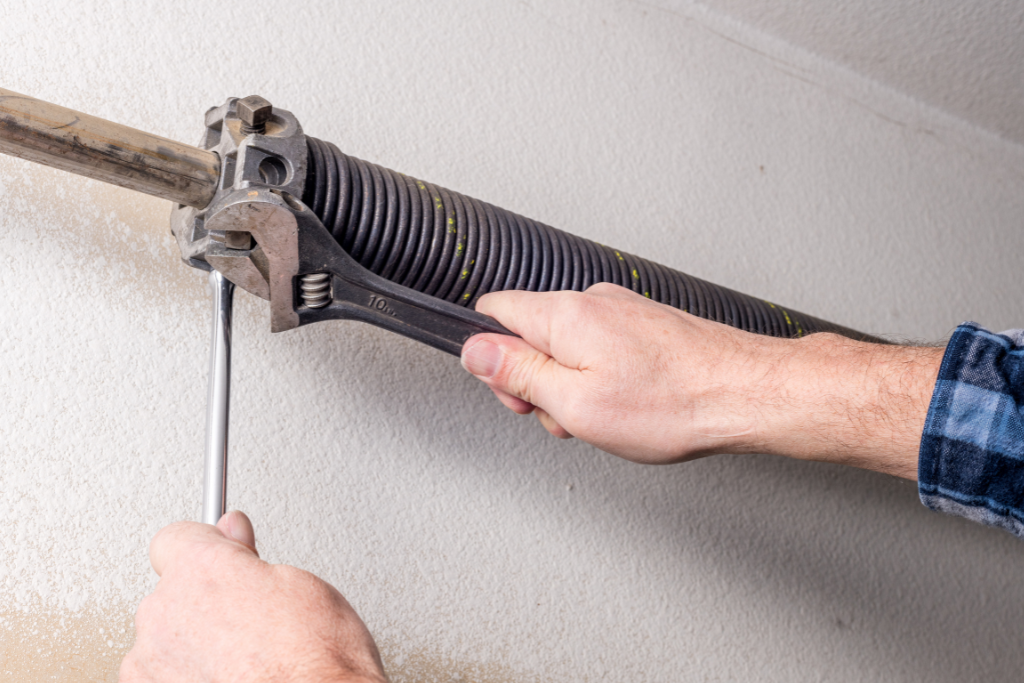
The “sticker shock” of garage door repair often stems from the fact that the system has been ignored for years. Unlike an HVAC system or a car that gets regular tune-ups, garage doors are often run until catastrophic failure occurs. When a technician arrives, they aren’t just fixing a single part; they are often addressing years of wear and tear on a complex counter-balance system.
Costs can range significantly based on the quality of parts you choose. A basic repair might cost a few hundred dollars, but extensive repairs involving springs, cables, and openers can run between $3,000 and $5,000 depending on the grade of product selected.
The “Builder Grade” Problem
A major factor in repair frequency is the quality of the door originally installed by the home builder. “Builder grade” doors are often designed to last just past the warranty period. These systems typically use:
- Plastic rollers that wear out quickly
- Lower-cycle springs rated for only a few years of use
- Thin, hollow panels (often called “pan doors”) that dent easily and lack structural integrity
Upgrading to premium parts—such as steel rollers with ball bearings or high-cycle springs—costs more upfront but significantly extends the time between service calls.
The Repair vs. Replace Garage Door Equation
At what point does it make financial sense to stop repairing your garage door and simply buy a new one? When deciding whether to repair vs. replace a garage door, industry experts often use the “2002 Prius” analogy: if you are spending thousands of dollars to fix a system that is fundamentally old and worn out, you are better off investing that money into a new system that resets the clock.
If the cost of the repair approaches 50% of the cost of a new door, replacement is usually the smarter financial move. Additionally, safety is a non-negotiable factor. If a door has been damaged to the point where it is hanging by its rollers or the tracks are blown out, no amount of repair will make it genuinely safe for the long term.
Lifespan of Your Garage Door System
Understanding the expected lifespan of your garage door’s components can help you budget for future maintenance. These lifespans vary heavily based on usage—a retired couple opening the door twice a week will see different results than a family of five opening it 15 times a day.
| Component | Estimated Lifespan | Notes |
|---|---|---|
| Torsion Springs | 7–10 years (approx. 10,000 cycles) | Standard springs are rated for 10,000 cycles. High-cycle springs can last 25,000+ cycles. |
| Garage Door Opener | 10–15 years | Modern openers are essentially computers; they lack the mechanical longevity of older, simpler motors. |
| Hollow Pan Door | 7–15 years | These uninsulated doors lack a steel backing, making them prone to warping and tearing. |
| Steel Sandwich Door | 20–40 years | Doors with steel on both the front and back (sandwich construction) are rigid and can last a lifetime with proper maintenance. |
The 1993 Safety Law You Need to Know
If your garage door opener was manufactured before 1993, it is likely time to replace it immediately due to safety liabilities. A federal law mandated that all residential garage door openers manufactured on or after January 1, 1993, must be equipped with an external entrapment protection system, commonly known as “photo eyes” or safety sensors.
These sensors are the small black boxes located about six inches off the ground on either side of the door. They project an invisible beam that, if broken, prevents the door from closing on a child, pet, or vehicle. Pre-1993 openers often relied solely on force sensitivity—meaning the door had to physically hit something (or someone) to reverse. Modern openers are safer, smarter, and compliant with current safety regulations.
Insulation: Polystyrene vs. Polyurethane
When replacing a door, one of the biggest decisions is insulation. A “sandwich” door (Steel-Insulation-Steel) offers far more durability than a hollow door. There are two main types of insulation used:
- Polystyrene (Styrofoam): This is similar to the material used in coffee cups or packing peanuts. It is cut into sheets and placed inside the door panel. It typically offers an R-value (thermal resistance) of around R-6 to R-10.
- Polyurethane: A foam that is injected into the door panel, where it expands to fill 100% of the void. It bonds the front and back steel skins together, creating a composite structure that is incredibly strong. Polyurethane doors generally offer R-values between R-12 and R-18.
“Think of it like an ice cream sandwich. You have steel on the front, insulation in the middle, and steel on the back. That structure gives the door rigidity. A polyurethane door is solid—you could almost use it as a bridge.”
Return on Investment (ROI)
While a new garage door is a significant expense, it is also one of the smartest investments you can make in your home. According to annual “Cost vs. Value” reports, garage door replacement consistently ranks as one of the top home improvement projects for return on investment, often recouping nearly 100% (and sometimes over 200% in specific markets) of the cost at resale.
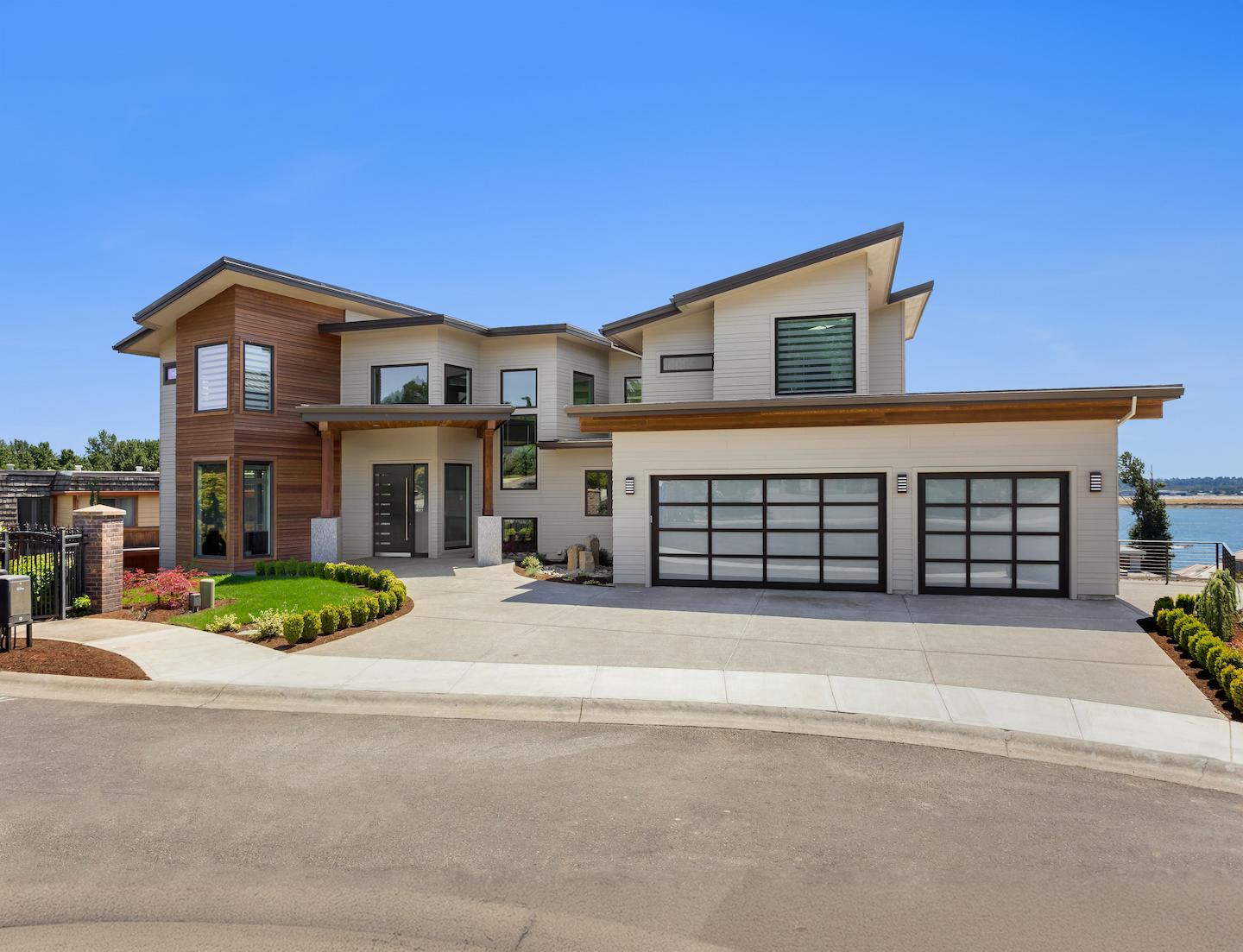
This high ROI comes from the massive boost in curb appeal—the garage door can make up to 40% of a home’s frontal facade—and the improved energy efficiency of modern, insulated doors.
Conclusion
Garage door repairs can feel expensive, but they are often the result of years of deferred maintenance on a massive, complex system. Whether you choose to repair your current door or invest in a replacement, the key is to stop viewing the garage door as an afterthought. Regular maintenance (once a year is recommended) and choosing high-quality components, such as polyurethane insulation and high-cycle springs, will ensure your system runs safely and reliably for decades.